Resilience Hub

A shared place for connection, learning, and coordinated support.

94 S. Caldwell Street, Brevard, NC · Home of StoryLab and Media Navigators

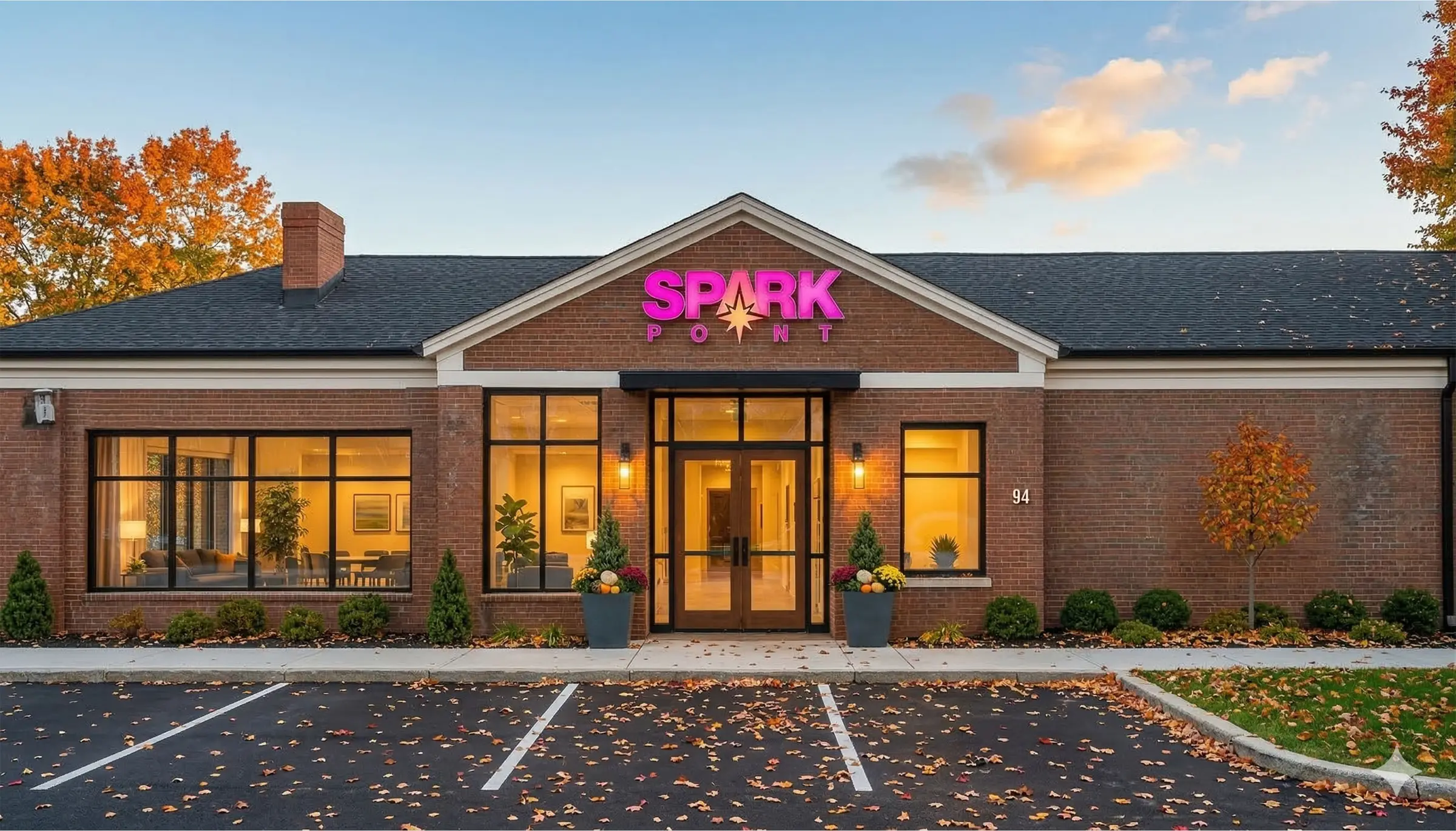
Autumn at the hub

View:

Conceptual rendering shown for illustrative purposes only. Final design, features, and layout are subject to change based on funding availability and project development.

Autumn view of the SparkPoint Resilience Hub exterior in Brevard.

More than a building — a shared foundation for community care.

At 94 S. Caldwell Street, SparkPoint is stewarding a welcoming space where residents, nonprofits, volunteers, and partners can gather, learn, navigate resources, and strengthen resilience together.

SparkPoint uses the space as a connector, convener, and capacity-builder — helping people and partners find one another, share what they know, and strengthen what the community can do together.

Shared support system

A welcoming third space for connection, coordination, and practical support throughout the year.

Learning hub

Workshops, meetings, and initiatives can grow here through shared learning and community feedback.

Place-based and local

94 S. Caldwell Street in Brevard, near Hendersonville Pediatrics, MAHEC, and The Sharing House.

The groundwork

The hub isn’t starting from zero.

After Hurricane Helene, SparkPoint listened across Transylvania County. Those stories revealed unmet needs and connected residents to recovery support. The Resilience Hub gives that work a permanent address.

  • 3,622Verified participantsacross 68 events in 2025
  • ~11%Of the county reachedTransylvania County population
  • 120+Helene recovery storiesfrom 10 collection sites
  • 42Residents connectedto recovery support

94 S. Caldwell Street

A building on Caldwell Street, becoming a community’s front porch.

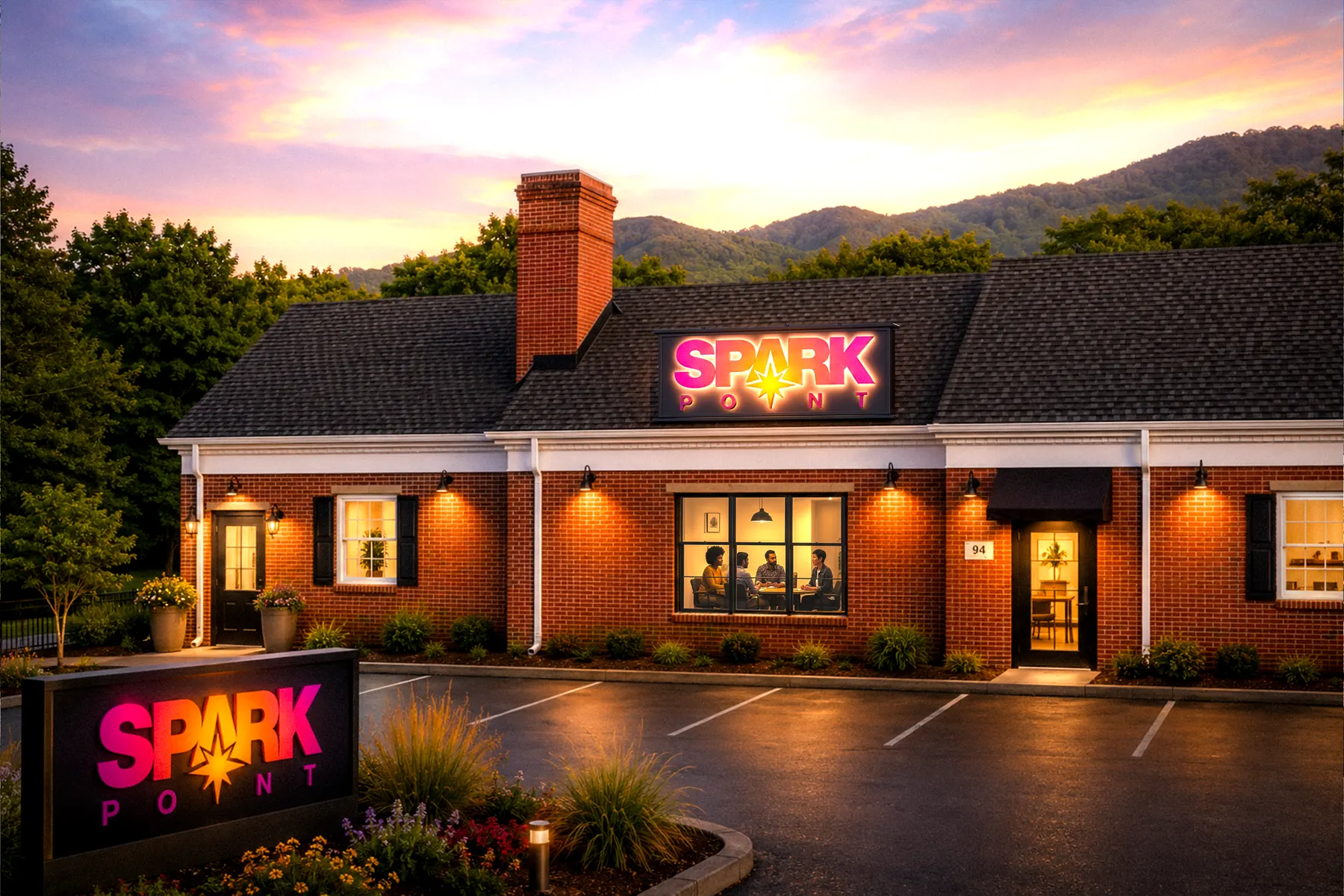
Drag to compare the building as it stands today with what SparkPoint is working toward.

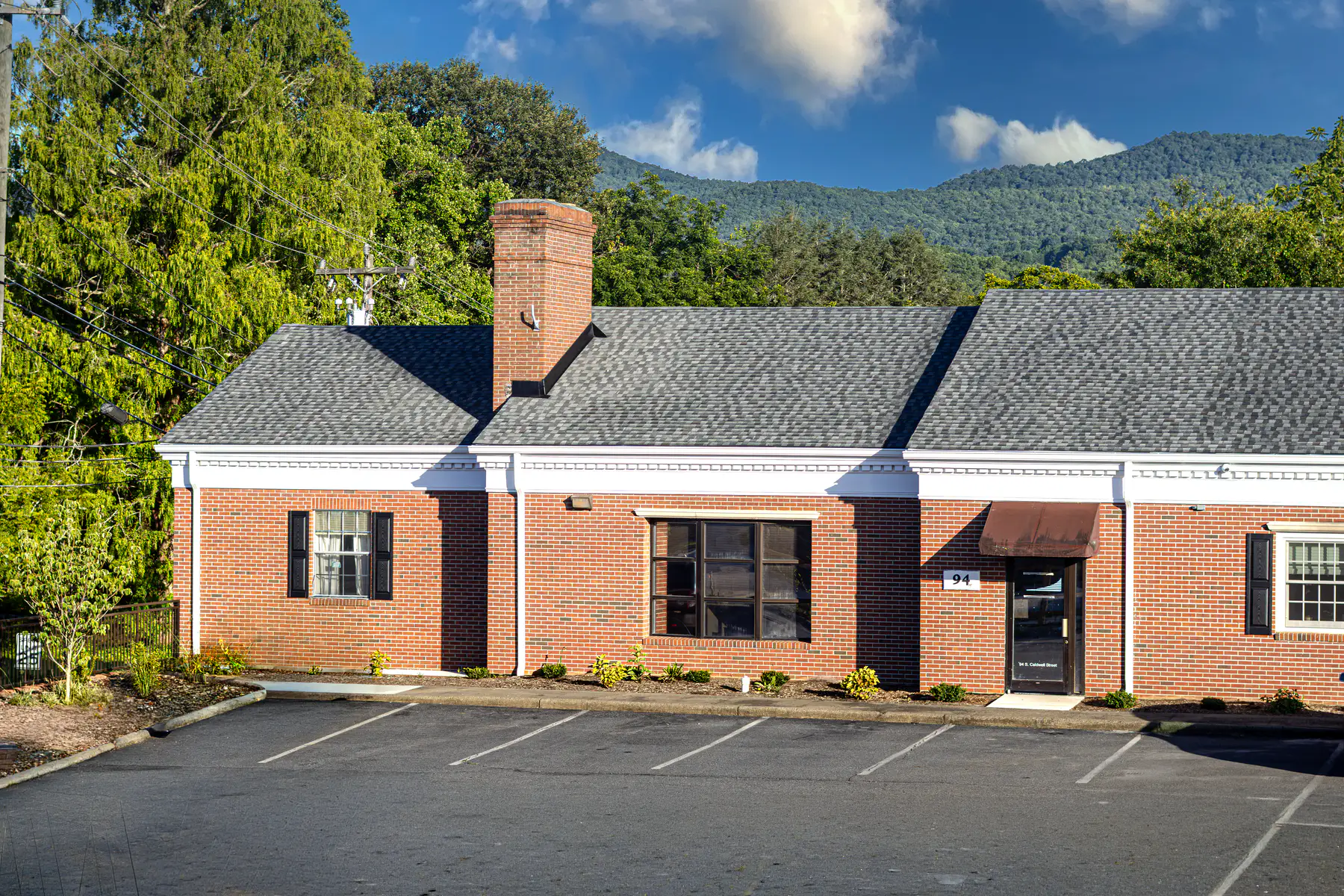
Conceptual rendering of the building at dusk, with SparkPoint signage, warm lighting, landscaping, and people meeting inside the front window.The building at 94 S. Caldwell Street today: a one-story brick office with a chimney, an empty parking lot, and the Blue Ridge behind it.

Conceptual rendering shown for illustrative purposes only. Final design, features, and layout are subject to change based on funding availability and project development.

What happens here

A flexible place for practical community work.

The Resilience Hub supports the kinds of activities that help people stay informed, connected, and better equipped to care for one another over time.

Workshops and shared learning

Practical sessions on resilience, well-being, community health, and everyday preparedness.

Partner coordination

Space for nonprofits, agencies, schools, and other community-serving organizations to plan together and share updates.

Resource navigation

A more human path into information, referrals, and next steps when people are unsure where to begin.

Community gatherings

Low-barrier gatherings that reinforce belonging, connection, and community self-determination.

Youth and leadership support

Room for youth mental health initiatives, leadership development, and connective programming that invests in the next generation.

Preparedness and emotional recovery

A practical setting for coordinated preparedness efforts, emotional recovery support, and steady care after difficult seasons.

Inside the hub

One suite, built for gathering, coordinating, and listening.

Drawn from the architect’s permit plans. Choose a room to see what it’s for.

Simplified from ARCA Design’s permit set (sheet A101, June 2026). Restrooms, hall, and kitchenette shown in gray.

StoryLab studio 128 sq ft

Recording, interviews, and editing, where community stories are captured with care.

At the Resilience Hub

Two initiatives, one home.

StoryLab is the place and the listening process. Media Navigators are the people it trains. They share a studio, a set of ethics, and a goal: turn local experience into local capacity.

StoryLab

A community media studio and listening process where lived experience becomes useful learning.

What it is
A 128 sq ft studio and a Listen, Learn, Lead process
Who takes part
Residents, nonprofits, and local leaders sharing their stories
What comes of it
Story collections, archives, and insight that shapes programs and funding
Explore StoryLab

Media Navigators

A trained local media generalist who helps organizations communicate clearly and ethically.

What it is
A paid fellowship: train in the fall, place with a partner in the spring
Who takes part
Local talent looking for a path into media and communications
What comes of it
Careers for fellows, and communications capacity for partners
Meet the fellowship

Navigators train inside StoryLab, then carry those skills to partners.

: The stories were already here. Now they’re getting a home.

StoryLab is SparkPoint’s listening practice: community story collection, one question at a time, grounded in Participatory Narrative Inquiry. It follows a repeatable cycle: listen to lived experience, learn what it reveals, lead with what the community needs, and return what was learned. Its next home is a StoryLab studio planned for the Resilience Hub, for recording stories and oral histories and turning them into captioned video and archives, with Media Navigators helping run it.

About StoryLab
  1. ListenStories gathered across age and geography (events, rural stops, QR codes, paper, audio), with consent and dignity first.
  2. LearnStories reviewed and coded for patterns: where challenges cluster, what is working, what needs repair.
  3. LeadInsight shapes programs, partnerships, and funding, and the learning is returned to the community.

Not storytelling for awareness alone. Storytelling that helps people, partners, and funders act with better information.

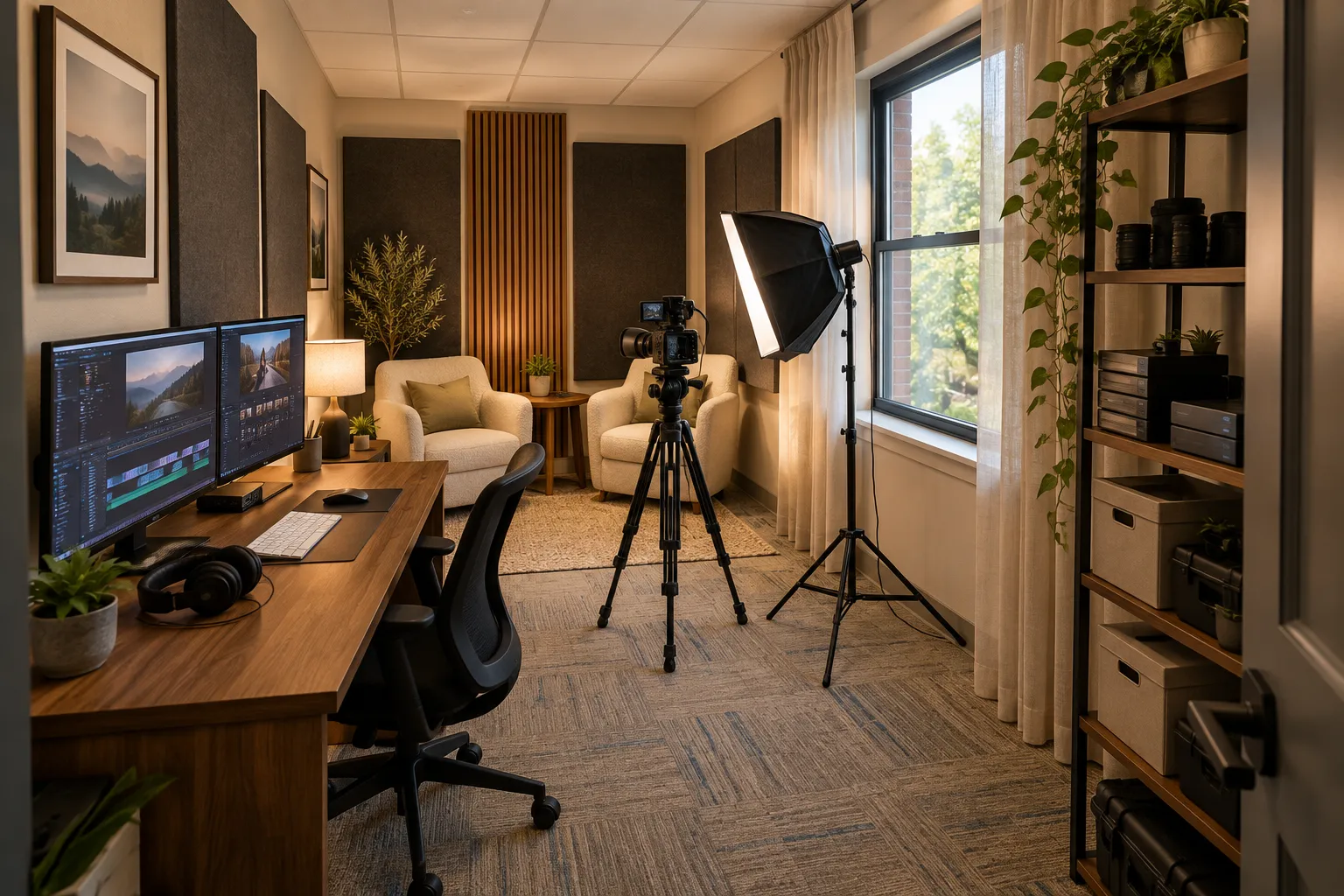
Conceptual rendering of the StoryLab studio: a long, narrow room with an editing desk and two monitors along the left wall, two cream armchairs at the far end, a camera on a tripod and a softbox light aimed at the chairs, a curtained window on the right, and shelving with storage boxes by the door.

Conceptual rendering shown for illustrative purposes only. Final design, features, and layout are subject to change based on funding availability and project development.

Inside the studio

Office, edit bay, and filming studio in 128 sq ft

  1. Editing workstationRecordings become captioned video, archives, and usable media.
  2. Interview seatingTwo chairs and room to talk without a stage.
  3. Camera and lightingA standing setup, ready when someone is ready to talk.
  4. Filing and media storageRecordings, files, and archives kept organized in one place.
  5. A warm, quiet roomAcoustic panels and soft light: professional, not clinical.

: Rural learning meets real-world work.

StoryLab trains paid Media Navigator Fellows: ethical, AI-literate media generalists who learn through real production work, build portfolios, and support nonprofits, agencies, and small businesses that need communications capacity but can’t sustain a specialist.

For fellows

Paid, hands-on training in video, audio, editing, captioning, and responsible AI tools, with a portfolio and a partner placement at the end of it.

For partners

A trained Navigator who can document programs, tell your story, and handle everyday communications, without the cost of a full-time specialist.

  1. TrainFallFellows learn inside StoryLab on real production work.
  2. DeploySpringEach fellow is placed with a partner organization.
  3. BackfillSpringA new fellow enters the studio behind them.
  4. RepeatEvery yearA pipeline, not a one-off program.

A strength-based pathway for local talent, including neurodivergent minds, to grow, contribute, and build careers right here at home.

In a rural county, stories are often where the real information lives. StoryLab helps us listen with dignity, identify patterns, preserve community memory, and turn lived experience into better decisions.

Why it matters here

Rural stories deserve to be preserved and acted on.

  • Uneven digital access and limited media infrastructure across the county
  • Nonprofits stretched thin, without capacity to document or communicate
  • High isolation among older adults and rural residents
  • Few local career pathways in creative and digital fields

Built on trust and ethics

Technology supports the work. People make the decisions.

Active consent
People can opt out at any time.
Trauma-informed
Story work is shaped around the safety and pace of the person sharing.
People decide
AI assists with transcription and tools; it never makes the call.
Human review
A person checks every step before anything is shared.

Who it serves

A shared place for residents, nonprofits, volunteers, and partners.

The hub is meant to hold many kinds of community-facing work, with each group able to engage in a way that feels useful, practical, and rooted in local relationships.

Residents

People looking for connection, practical information, or a trusted place to learn what support may be available.

Come with a question, an idea, or simply a need for clearer next steps.

Nonprofits

Organizations that need a place to collaborate, host learning, align referrals, or strengthen countywide coordination.

Use the space to reduce duplication and build stronger handoffs.

Volunteers

Community members who want to help with gatherings, resource-sharing, preparedness efforts, or other practical support.

Step into a role that fits your time, skills, and comfort level.

Partners

Schools, clinics, agencies, and community-serving teams seeking a grounded place for coordination and shared learning.

Reach out to co-host, coordinate, or explore what the hub can support together.

Place-based note

Rooted in a real corridor of care.

The hub is located at 94 S. Caldwell Street, Brevard, NC, near Hendersonville Pediatrics, MAHEC, and The Sharing House. That location matters. It places the building within a familiar part of town where care, support, and community-serving work are already part of the landscape.

The hub is intended for year-round use, with activity and stewardship shaped by changing community needs.

Stewardship

Flexible, shared, and guided by community voice.

SparkPoint is holding the Resilience Hub as a flexible community asset. Uses and room arrangements can adapt over time depending on workshops, partner coordination, youth gatherings, or preparedness-related support. What stays constant is the intention: keep the space welcoming, readable, and useful.

  • Shared use over siloed ownership
  • Practical coordination over spectacle
  • Belonging and collective care over transaction

Stay connected

Want to ask about the space or explore what it could support?

Reach out if you have a question, a partnership idea, or a community use in mind. We can start with a simple conversation and figure out what makes sense from there.